Comic Type: A Versatile Display Font for Digital Design
The Warmth of Hand-Drawn Characters
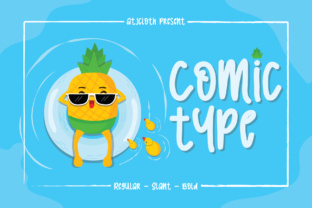
Comic Type stands out with its hand-drawn characters, offering a warm and authentic look that feels personal and inviting. As a web designer, I’ve found this style particularly effective in creating a connection with users. The organic feel of the font adds character to digital projects without overwhelming the design.
Designing for Brand Identity
In web design, typography plays a crucial role in shaping brand identity. Comic Type’s unique style makes it ideal for creative portfolios, boutique online stores, and branding projects. Its personality aligns well with brands that value warmth, creativity, and authenticity.
Using Comic Type in Web Layouts
Comic Type is versatile enough to be used in various parts of a website. For instance, it works beautifully as a hero title or section heading, drawing immediate attention. It can also serve as a decorative accent in buttons or call-to-action areas, adding visual interest without sacrificing readability.
Readability and Visual Hierarchy
When designing for readability, it's essential to consider how a font performs across different screen sizes and backgrounds. Comic Type maintains clarity even at smaller sizes, making it suitable for buttons and short phrases. However, it's best used sparingly to maintain visual hierarchy and prevent clutter.
Enhancing User Engagement
Typography influences user engagement by guiding the eye through content. Comic Type’s playful yet approachable style encourages scanning behavior, making it an excellent choice for landing pages and course sales pages. Its ability to convey emotion and personality helps build trust and connection with the audience.
Font Pairing Strategies
Pairing Comic Type with a simpler sans serif font like Montserrat or Lato creates a balanced contrast. This combination allows the display font to shine while ensuring the body copy remains easy to read. For a more editorial feel, pairing it with a serif font can add depth and sophistication to the design.
Optimizing for Mobile and Responsive Designs
With the increasing use of mobile devices, responsive typography is key. Comic Type performs well on both light and dark backgrounds, adapting smoothly to different environments. When using it on small buttons or image overlays, ensure sufficient contrast and legibility to maintain usability across all screen sizes.
Commercial Use and Licensing
As a commercial font, Comic Type offers flexibility for use in websites, client projects, and online stores. Always check the licensing terms to ensure compliance with your project’s needs. Whether you're building a digital template or a brand kit, having access to multiple weights and styles enhances versatility and creative options.
Applying Comic Type in Real Projects
Consider using Comic Type for a creative portfolio site where the font’s personality can enhance the overall aesthetic. It also works well for a boutique online store, adding a touch of charm to product descriptions and banners. For a coaching website or a course sales page, its engaging style can help capture attention and drive conversions.
Brand Consistency Across Platforms
Consistent typography across all digital platforms strengthens brand identity. Using Comic Type in headers, logos, and social media graphics ensures a cohesive look that resonates with audiences. Its adaptability makes it a valuable asset for maintaining a unified brand presence online.
Conclusion
Comic Type is more than just a display font—it’s a tool for storytelling and brand expression. With its hand-drawn charm and digital versatility, it supports a wide range of design applications. Whether you're crafting a landing page, designing a logo, or building an online store, Comic Type can elevate your visual strategy and enhance user experience.